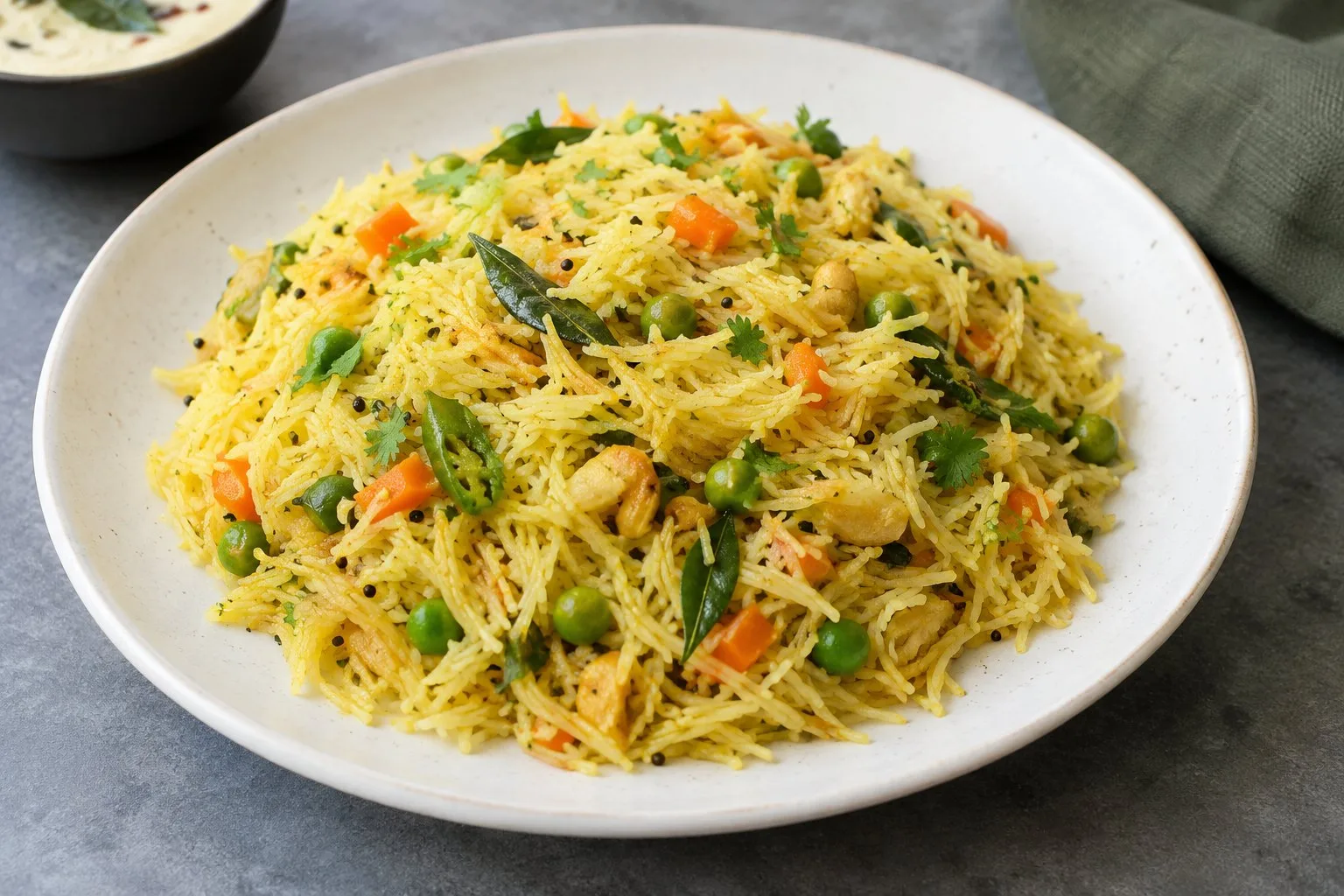
South Indian breakfast
The South Indian breakfast classic: warm, savory, comforting, and ready in 20 minutes.
See the recipes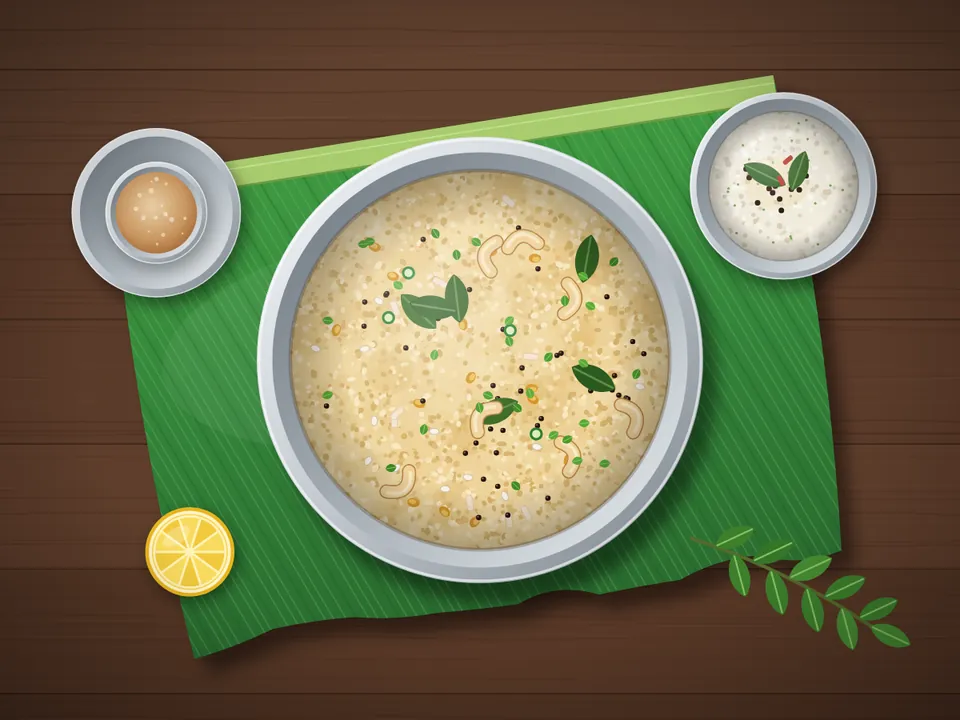
Upma is a thick, savory dish made from roasted semolina (rava or sooji) cooked in water with a tempering of mustard seeds, lentils, curry leaves, ginger and green chilies. It's soft, lightly spiced and filling, which is why it's one of the most common breakfasts in India.
It's especially loved in South India, where it goes by local names: uppittu in Karnataka, uppumavu in Kerala and uppuma in Tamil Nadu. In Maharashtra it's called upit.
The name is usually traced to the Dravidian words uppu (salt) and mavu (flour). Today upma is made with many bases besides semolina, including vermicelli, oats, millets and even leftover bread.
Start with the classic, then try the variations.
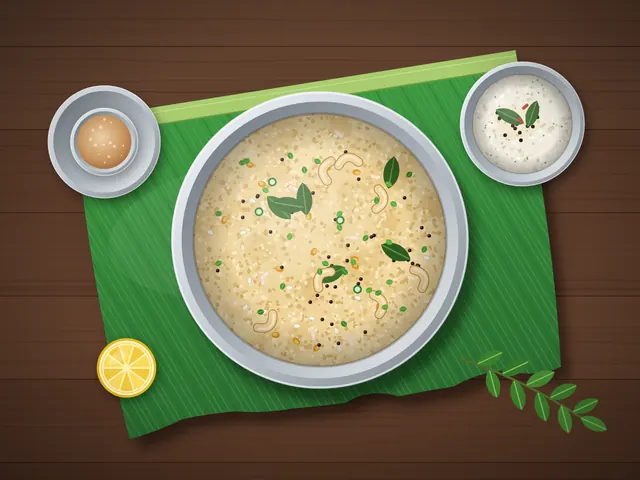
The classic: roasted semolina with mustard seeds, curry leaves and cashews.
⏱ 20 min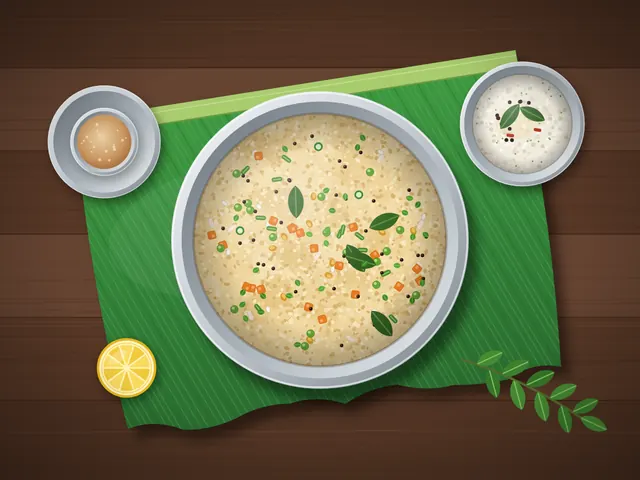
Carrot, peas and beans make it colorful and more filling.
⏱ 30 min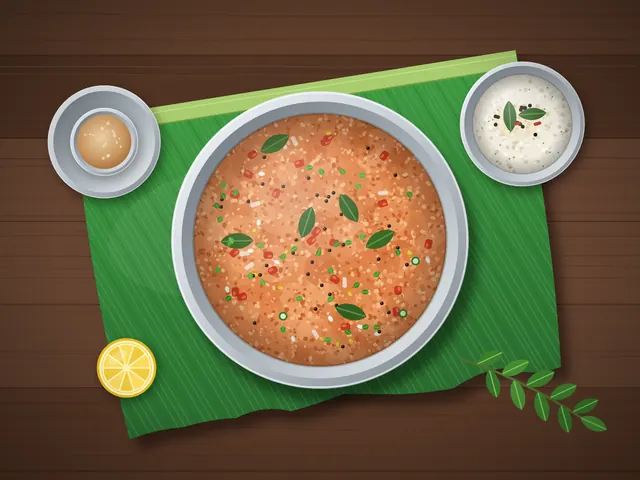
Tangy and a little spicy, with a warm orange color.
⏱ 30 min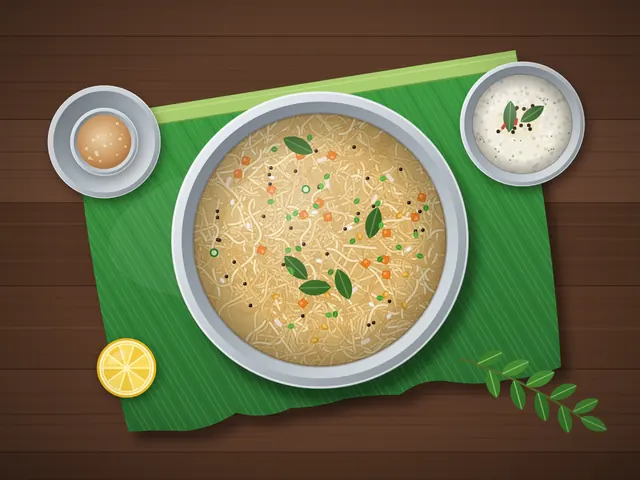
Made with thin vermicelli: light, quick and non-sticky.
⏱ 25 min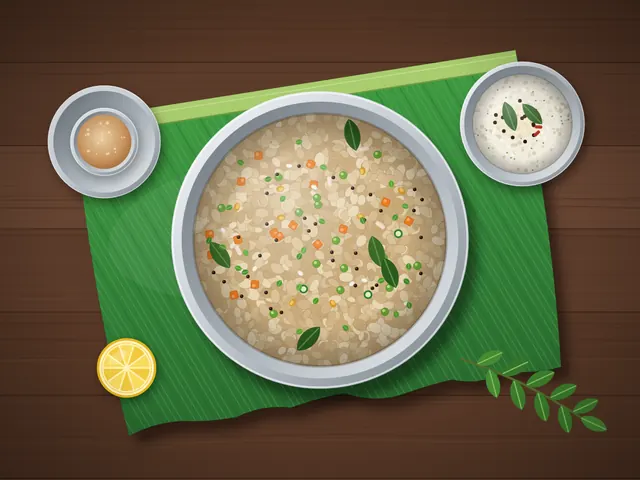
A high-fiber twist with rolled oats and vegetables.
⏱ 25 min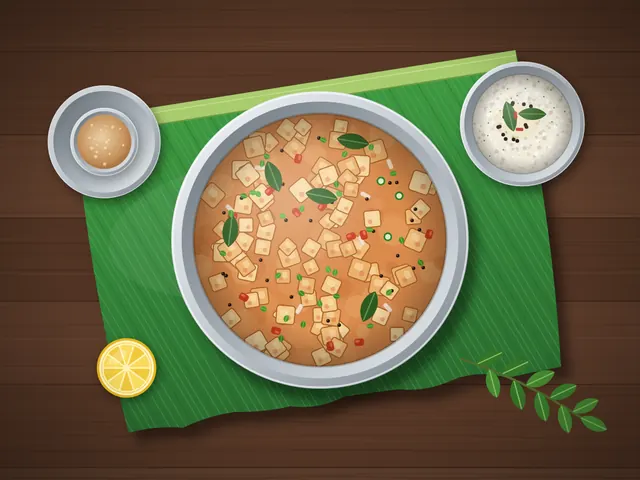
Leftover bread tossed in a tangy tomato and onion masala.
⏱ 20 min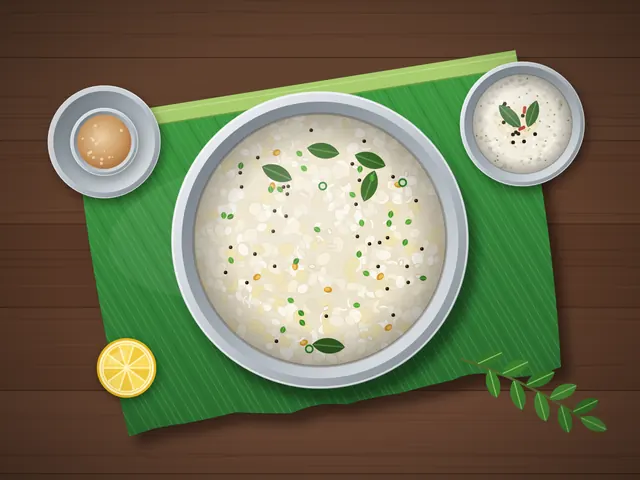
Yesterday's idlis, crumbled and tossed in a classic tempering.
⏱ 20 min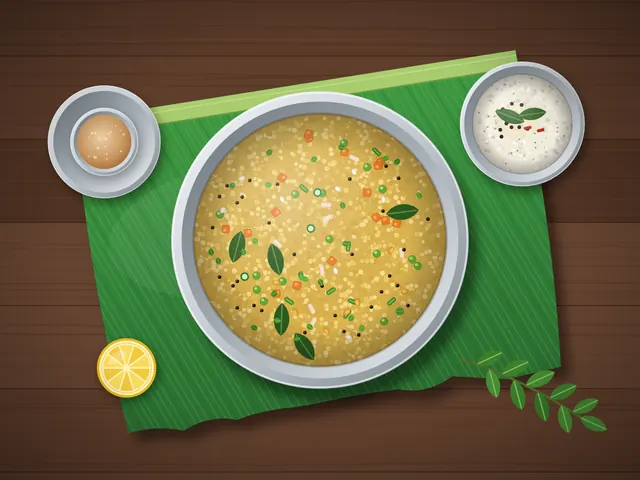
Foxtail millet and vegetables: wholesome, nutty and gluten-free.
⏱ 60 min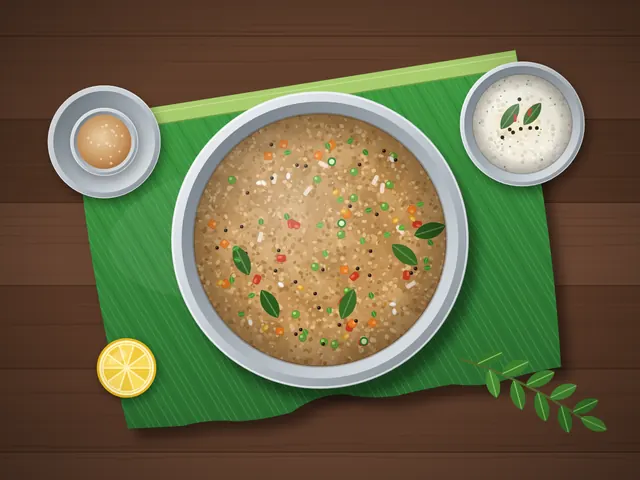
Nutty, filling and high in fiber, made with cracked whole wheat.
⏱ 35 min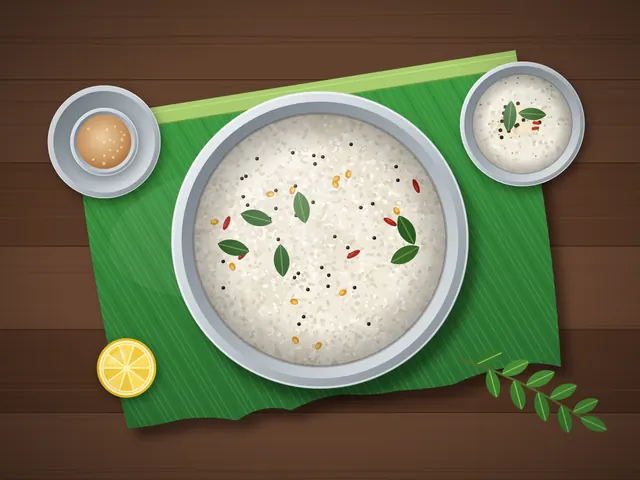
A traditional, wheat-free upma with coconut and red chilies.
⏱ 30 minLearn where upma comes from and how to fix the most common cooking problems.
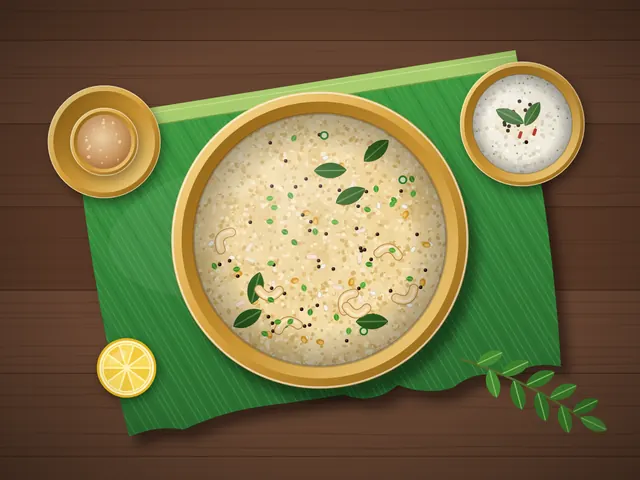
Where does upma come from? What its name means, the grains behind it, how it spread across India and beyond, and regional versions from uppittu to khara bath.
Read more →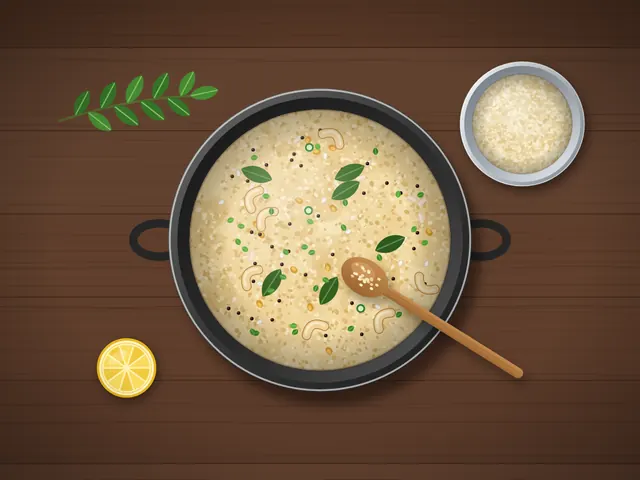
Why does upma turn sticky, lumpy or dry? 8 common upma problems, what causes them and simple fixes for soft, fluffy upma every time.
Read more →Photos and tips from home cooks who made our recipes.
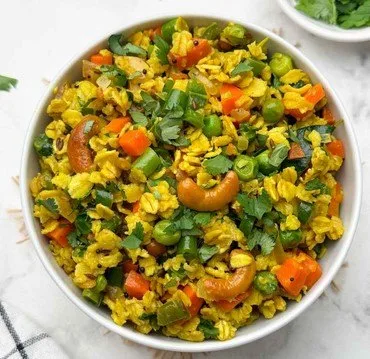
Coconut chutney is the classic partner, followed by sambar, pickle and a banana on the side. In Bengaluru, a plate of spicy upma (khara bath) with sweet kesari bath is famously served together as chow chow bath.
Yes. Upma is light, filling and easy to digest. Adding vegetables, or making it with oats or millet, adds fiber and nutrients. Keep the ghee moderate if you're watching calories.
A serving of classic rava upma (a third of our recipe) has roughly 300–350 kcal, mostly from the semolina and ghee. Using less ghee or adding more vegetables lowers it.
Yes. Rava and sooji are two names for semolina, coarsely ground wheat. Fine rava, often sold as Bombay rava, is the best choice for upma.
Usually the rava wasn't roasted enough, there was too much water, or the rava was added too fast. Roast well, measure the water and pour slowly while stirring.
Upma tastes best fresh. You can keep it in the fridge for a day; sprinkle a little water and reheat it covered.